Ranagati Samaj Kallyan Sangstha
- ranagatisks@gmail.com
- Govt. Reg. No.: J-1638
Skills • Dignity • Opportunity • Sustainable Development
About Us
Introduction
Ranagati Samaj Kallyan Sangstha (RSKS) is a registered social welfare organization in Bangladesh committed to improving the quality of life of disadvantaged, marginalized and vulnerable communities.
RSKS works with a community-centered approach focusing on education, skills development, youth and women empowerment, social inclusion, environmental protection, climate resilience, community development and institutional capacity building.
The organization is also interested in developing new initiatives in Culture, Heritage, Sustainable Tourism, Digital Heritage, E-Waste Management and Circular Economy, recognizing their potential to create employment, protect the environment and strengthen local communities.
RSKS believes that sustainable development requires an integrated approach where people, skills, technology, culture, heritage, tourism and environmental protection work together.
Our Vision
To contribute to building an inclusive, skilled, environmentally sustainable and socially empowered society where every person has access to dignity, opportunity, knowledge and sustainable livelihood.
Our Mission
RSKS seeks to empower communities through education, skills development, social inclusion, environmental action, cultural preservation, sustainable tourism, digital innovation and community-based development initiatives.
The organization aims to work with government institutions, development partners, NGOs, private organizations, academic institutions and international partners to develop practical and sustainable solutions for community development.
Our Work Areas
Core Areas of Work
Education & Skills Development
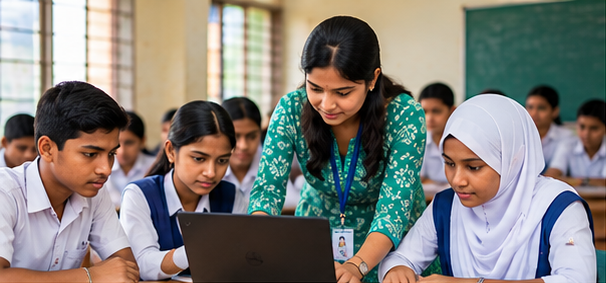
- Digital literacy
- Vocational and professional skills
- Youth skills development
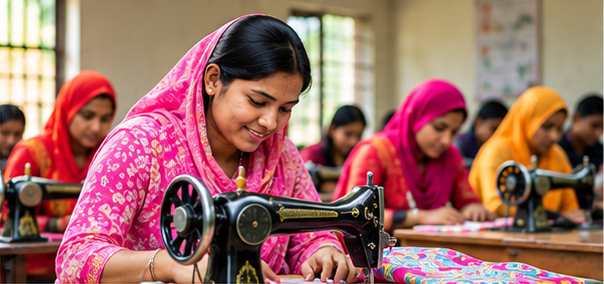
- Women skills development
- Training of Trainers (ToT)
- Career development
- Entrepreneurship development
Women & Youth Empowerment
- Digital empowerment
- Entrepreneurship
- Employment-oriented training
- Leadership development
- Community participation
- Economic empowerment
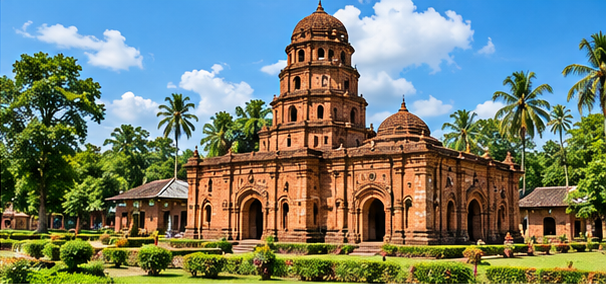
Culture & Heritage
- Cultural heritage preservation
- Local history documentation
- Folk culture and traditional knowledge
- Heritage awareness
- Digital documentation
- Digital storytelling
- Cultural exchange programmes
Our Core Values
- Humanity & Compassion
- Integrity & Transparency
- Accountability & Responsibility
- Equality & Inclusion
- Innovation & Skills Development
- Partnership & Collaboration
- Environmental Responsibility
- Sustainability & Social Impact
Women & Youth Empowerment
Ranagati Samaj Kallyan Sangstha (RSKS) is committed to building a humane, inclusive, equitable, and sustainable future through humanitarian action, education, skills development, employment generation, social empowerment, human rights, environmental protection, and international cooperation.
We believe that SKILLS + INNOVATION + COLLABORATION + EMPOWERMENT = SUSTAINABLE DEVELOPMENT
Together, we can empower people, strengthen communities, protect our planet, and create opportunities for a better tomorrow!
Core Areas of Work
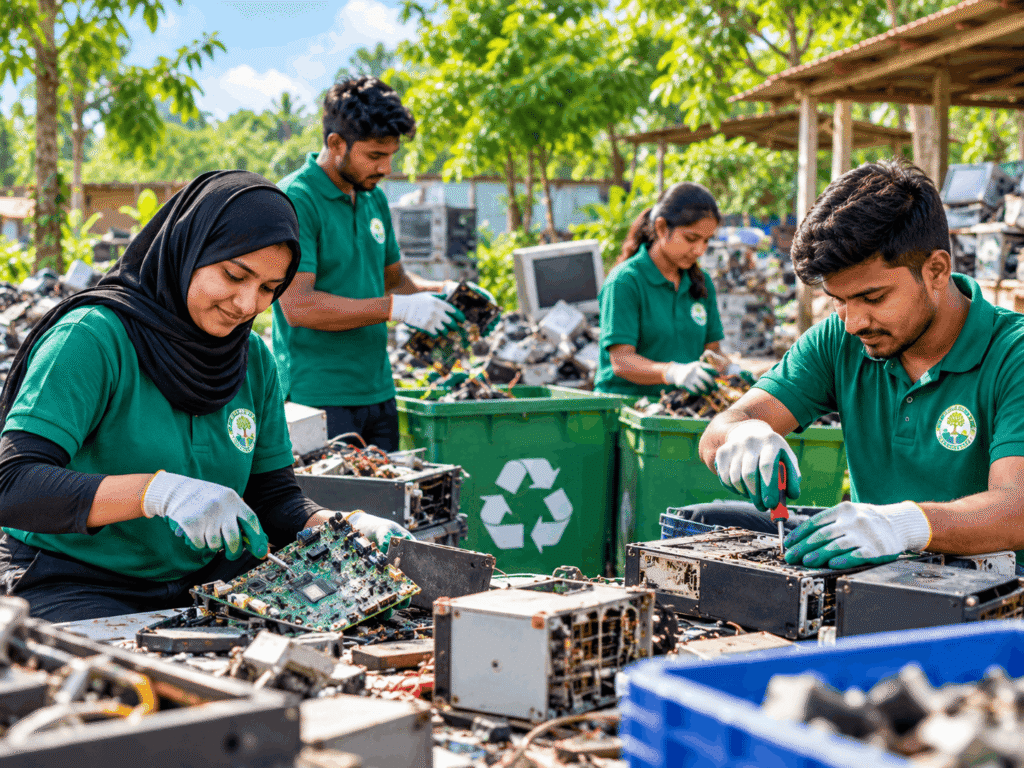
E-Waste Management & Circular Economy
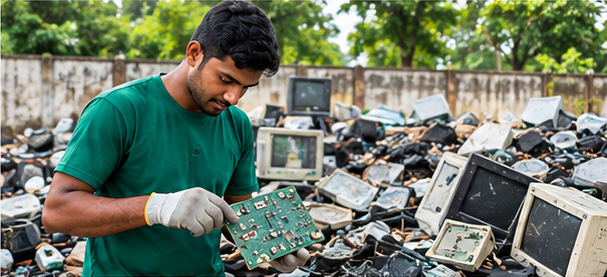
Electronic waste is becoming an important environmental challenge in Bangladesh.
RSKS aims to promote responsible and environmentally safe approaches to E-Waste
management through:
- Community E-Waste awareness
- E-Waste collection initiatives
- Sorting and segregation
- Safe temporary storage
- Responsible recycling partnerships
- Used battery awareness
- Youth green entrepreneurship
- Circular economy awareness
- Green jobs and skills development
RSKS intends to collaborate with authorized and environmentally compliant recycling facilities and relevant stakeholders for the safe handling and recycling of hazardous electronic waste.
Core Areas of Work
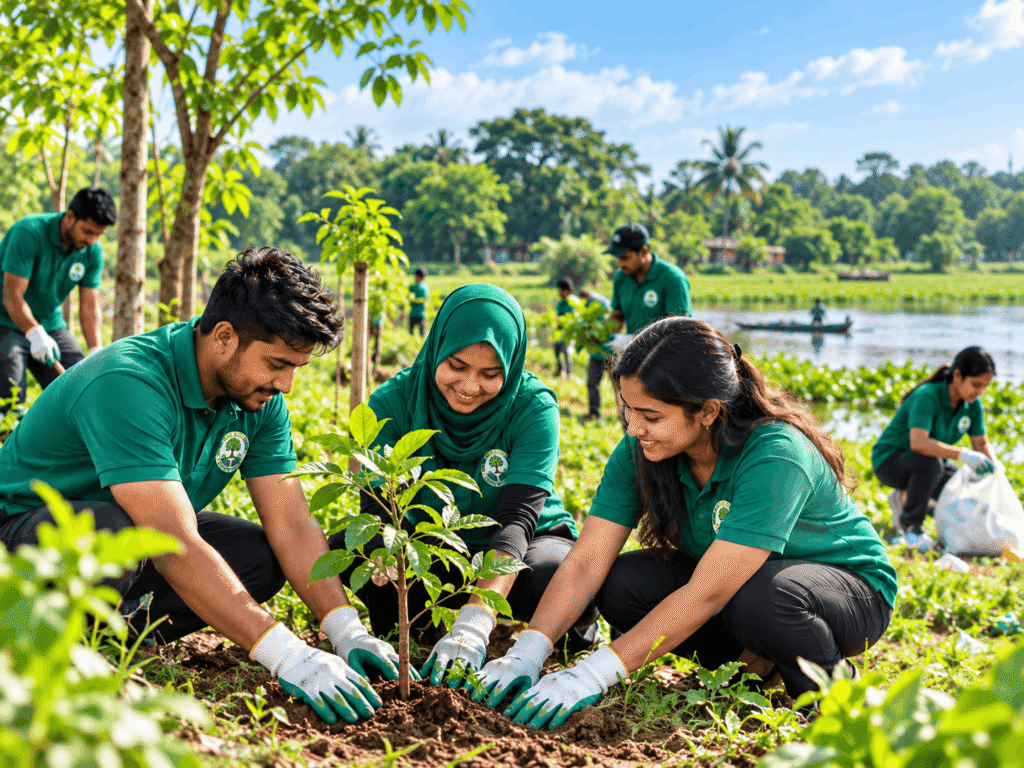
Environment & Climate Action
RSKS promotes environmental awareness and community participation in climate-resilient development.
Potential activities include:
- Environmental awareness
- Tree plantation
- Social forestry
- Climate change awareness
- Waste management
- Green community initiatives
- Biodiversity awareness
- Sustainable resource management
- Disaster preparedness
- Community resilience
Core Areas of Work
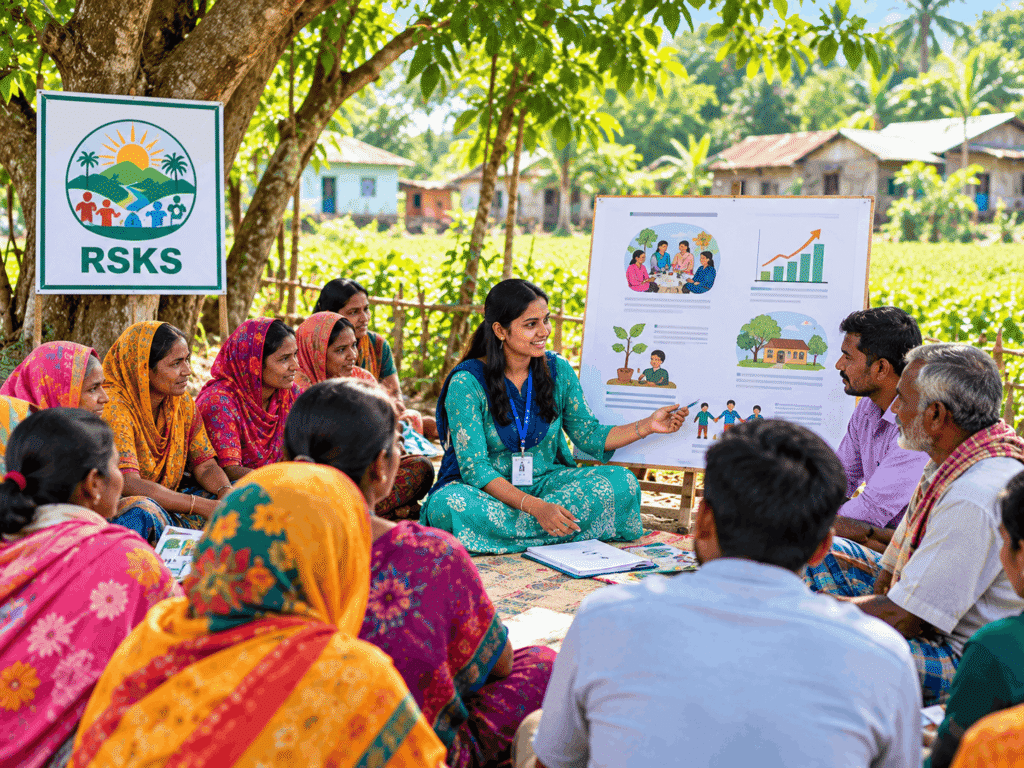
Community Development
RSKS follows a participatory community development approach.
The organization seeks to support communities through:
- Education
- Skills training
- Employment-oriented programmes
- Social awareness
- Women empowerment
- Youth engagement
- Environmental activities
- Community infrastructure support
- Social inclusion
- Disaster response and resilience
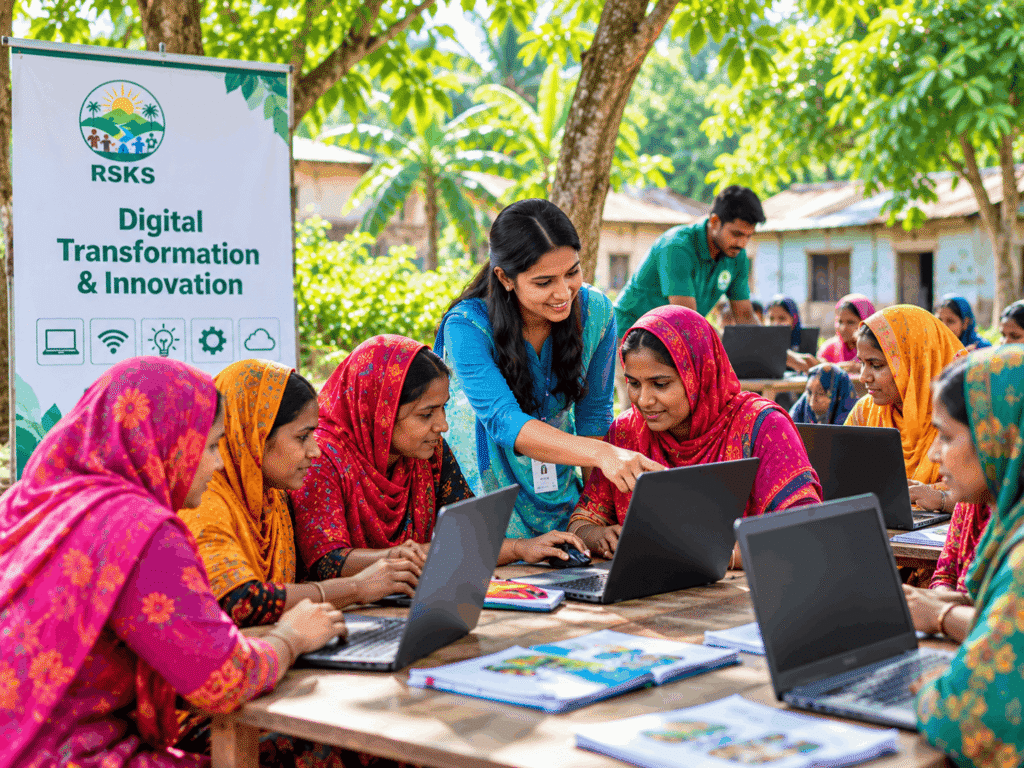
Core Areas of Work
Digital Transformation & Innovation
RSKS recognizes digital transformation as an important tool for modern community
development.
Potential initiatives include:
- Digital literacy
- AI awareness
- Cyber security awareness
- Digital entrepreneurship
- Online employment skills
- Digital administration
- Community ICT services
- Digital documentation
- Technology-based learning
- Innovation workshops
Core Areas of Work
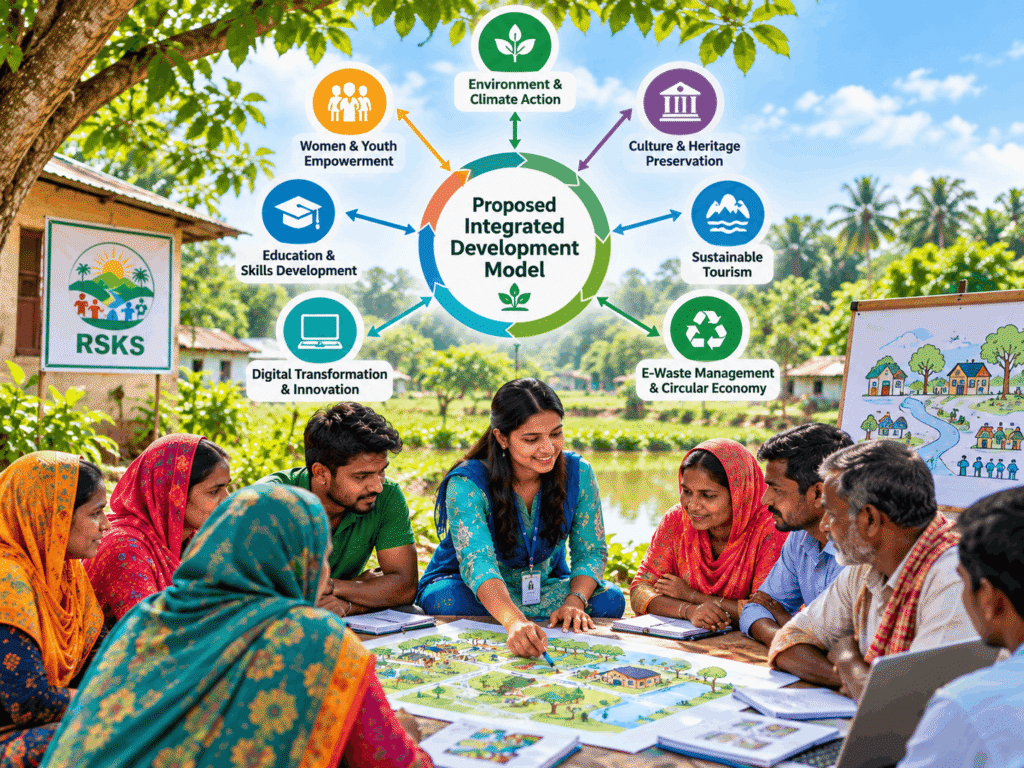
Proposed Integrated Development Model
RSKS proposes an integrated model combining:
Culture + Heritage + Tourism + Digital Technology + Skills + Environment + E-Waste
Management
This model seeks to transform local cultural and environmental resources into opportunities for:
Skills Development → Entrepreneurship → Employment → Community Income → Social Inclusion → Sustainable Development
Core Areas of Work
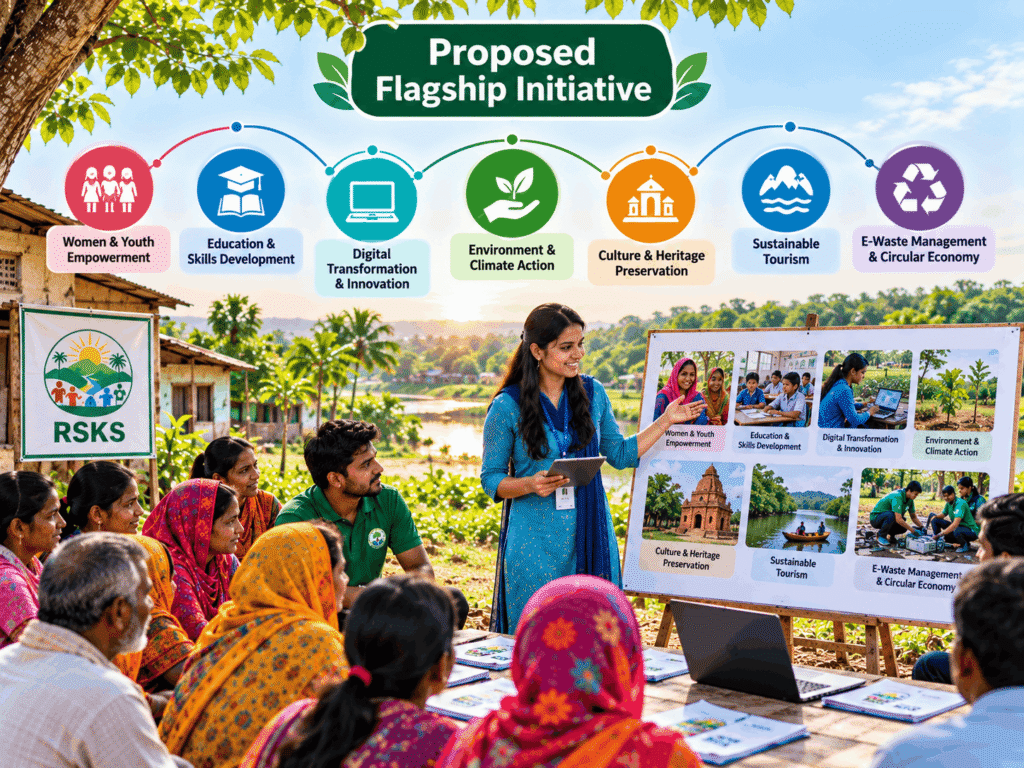
Proposed Flagship Initiative
“Bangladesh Community Culture, Heritage, Tourism & Green Innovation Initiative”
Key Components:
- Culture & Heritage Preservation
- Digital Heritage Development
- Sustainable & Community-Based Tourism
- Smart Tourism Awareness
- E-Waste Management
- Circular Economy
- Green Entrepreneurship
- Youth Empowerment
- Women Empowerment
- Digital Skills Development
- Environmental Protection
- International Knowledge Exchange
Core Areas of Work
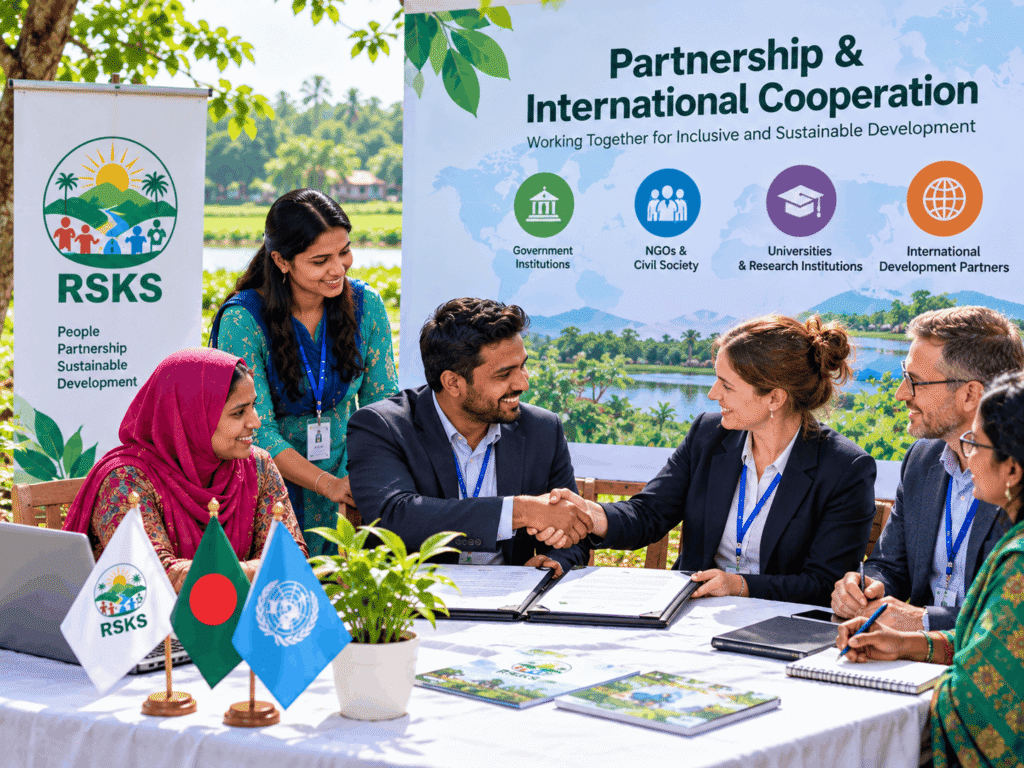
Partnership & International Cooperation
RSKS is interested in developing partnerships with:
- Government institutions
- Local government bodies
- International development organizations
- UN agencies
- NGOs and CSOs
- Universities and research institutions
- Technology organizations
- Tourism organizations
- Environmental organizations
- Cultural and heritage institutions
- Recycling and circular economy companies
- International donor agencies
Target Beneficiaries
RSKS intends to prioritize:
- Youth
- Women
- Persons with disabilities
- Unemployed persons
- Rural communities
- Disadvantaged groups
- Local entrepreneurs
- Tourism workers
- Community volunteers
- Social organizations
- Small and emerging businesses
Our Approach
RSKS follows the principles of:
- Community Participation
- Inclusion
- Transparency
- Sustainability
- Innovation
- Partnership
- Local Ownership
- Environmental Responsibility
Long-Term Goal
The long-term goal of RSKS is to establish a sustainable community development model where skills, technology, culture, heritage, tourism and environmental protection create new opportunities for people and communities.
We believe that protecting cultural heritage and the environment can go hand in hand with creating employment, developing entrepreneurship and improving the quality of life of local communities.
Organizational Commitment
RSKS is committed to working responsibly, transparently and collaboratively with government agencies, development partners and other stakeholders.
The organization is prepared to provide relevant organizational documents, registration certificates, project concepts, organizational information, previous project records and detailed proposals when required by prospective partners.
“The focus on women’s skills development and self-reliance is encouraging. These initiatives can help women build confidence and create better opportunities for their families.”